


ON THE BLOG

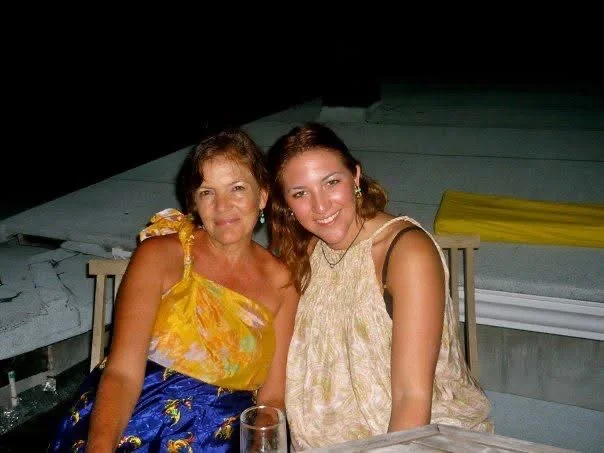
A motherless Mother
I lost my mother eight years ago. A year later, I became one.
Being a motherless mother means apologizing to someone who can no longer hear you. It means laughing at something your child does — and then feeling a wave of guilt because you did the same thing to her. It means a thousand quiet moments where grief and gratitude arrive at the exact same time.
This Mother's Day, I'm sharing the piece I've needed to write for a long time.
[Read: Motherless Mother →]

What are the four tasks of Mourning?
After a loss comes a period of mourning, the means of expressing grief. There are four major tasks involved in this period: accepting the loss, allowing yourself to experience grief, adjusting to your new world, and investing in other relationships. Read more in our latest blog.



How Do We Process Negative Emotions?
The Emotion Code explains it in a better way. Your emotions are trapped in your body. They are like energy pockets that are stuck in a variety of organs in your body. They tell your body that something's not okay. Depending upon what triggered them and for how long they have been trapped, they can cause physical pain, emotional unavailability, and even life-threatening diseases.

What is Anticipatory Grief and How Do People Deal With It?
When a traumatic event, such as the death of a loved one, the loss of a job, or the end of a friendship or a relationship, is approaching, someone fearing this loss might experience a number of emotion. They might feel depression and sorrow over the approaching loss or trauma, as well as anxiety over the impact the loss or trauma will have on them and their lives. They might perceive things as surreal and feel like they are in a dream. They might experience anger and frustration, or a sense of numbness. All these emotions can be part of anticipatory grief.

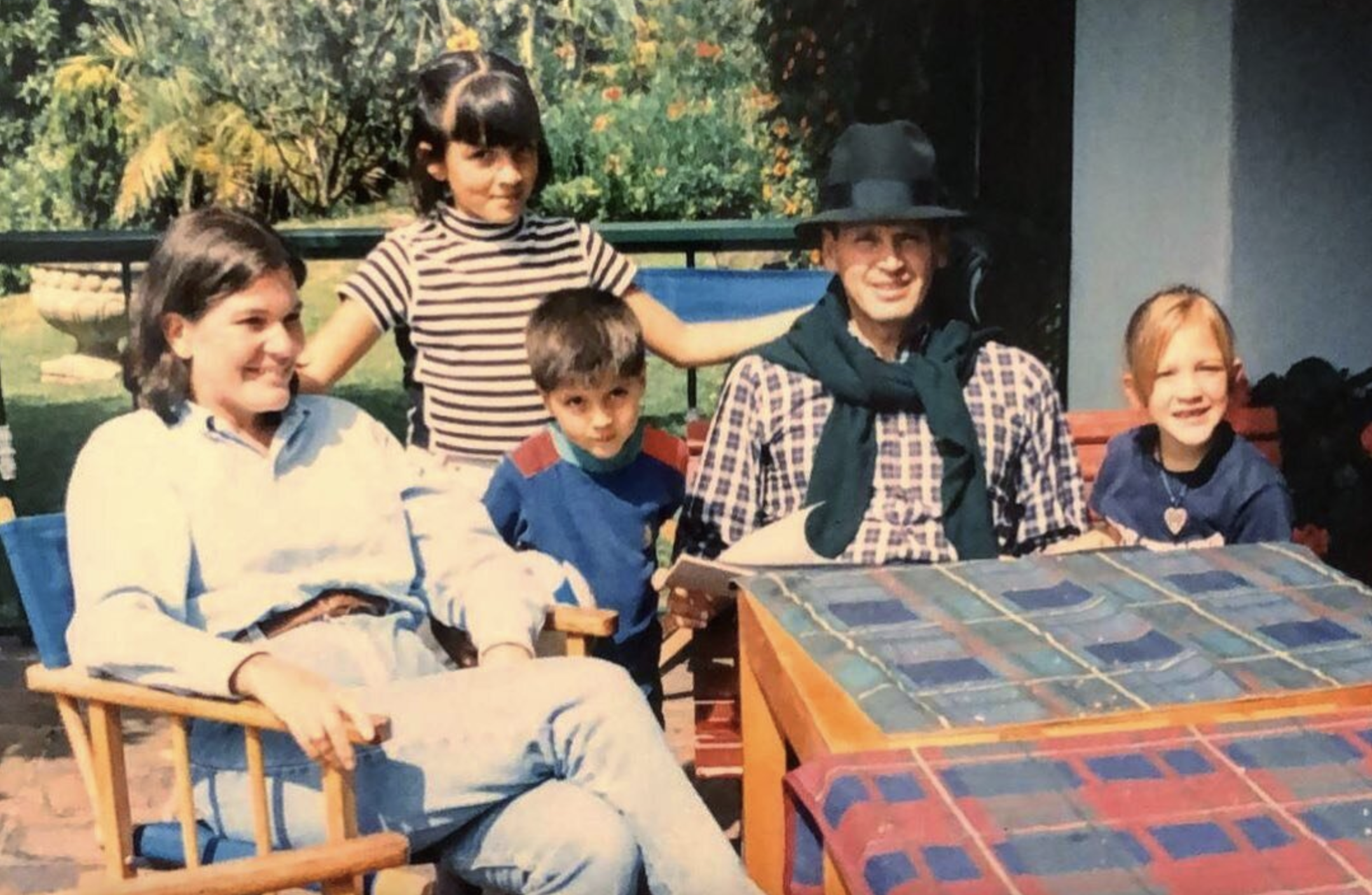
Got Guilt?
Death doulas provide important end of life care, including physical, emotional, and educational support. They are responsible for guiding a client and client’s family through the end of life process, meeting a client’s needs, and assisting in end of life planning assistance.

What is Generational Trauma, and How Can You Identify it in Your Life?
Generational trauma. This topic is a special one to me because once I learned about it, it changed my life. Generational trauma happens when emotional and psychological trauma is passed down through generations in a family or community. This can happen because of things like war, slavery, colonialism, sexual assault, famine, or forced migration that one's ancestors have experienced. It can show up in all sorts of ways, and usually, it affects people differently. In this blog post, I’ll dive deeper into generational trauma, how it can impact people, and some ways to identify it in your own life.

New Beginnings. Starting fresh after a loss.
This is also a great time to evaluate what you want your life to look like if you have experienced a loss. Maybe the loss was recent, and you’ve just made it through your first holiday season without your loved one. Perhaps some time has passed. Either way, an important step of the grief process is reflecting on your life and learning to move forward with your experience.

Grieving During the Holidays with Loved Ones
The holidays are perhaps the most notorious time of year for those who have experienced a loss. Meant to be a time of joy and celebration with loved ones, they only draw attention to those missing from the family gatherings. They can be a source of profound sadness, whether the loss is fresh or decades old.

Building My New Normal After The Death Of My Mom And Brother
Why a new normal? Why not a new life or adapt to our old one? Because when someone dies, nothing will be the same. So that is the NEW part. And the "normal" means that when we need to continue with our lives, the day-to-day needs to continue. So we needed to build a new normal. This new normal story has many parts, but today I want to share a story about how my dad needed to create a new normal and what that meant for us, his daughters.

Navigating Grief During The Holidays
The holidays are an incredibly difficult time of year for anyone struggling with the loss of a loved one. Because celebrations are so focused on joy and gathering with family, they can make feelings of grief even stronger. In our Thanksgiving blog, we focused on how to celebrate the holidays while grieving a loss with loved ones who are also grieving. This post will focus more specifically on you: what you can do to feel okay as the holidays continue.

What Is Complicated Grief And How Can It Be Treated?
Hospice care is a philosophy of care: it treats the patient rather than the disease. It is typically administered when the patient is not expected to live longer than six more months. Hospice care accepts the inevitability of death, and rather than attempting to postpone it, it seeks to make the patient as comfortable as possible in their final days.

Death Doulas What Are They, And Why Are They Important?
Death doulas provide important end of life care, including physical, emotional, and educational support. They are responsible for guiding a client and client’s family through the end of life process, meeting a client’s needs, and assisting in end of life planning assistance.

Psychedelics at the End of Life
Receiving psychedelics as treatment for anxiety and depression differs dramatically from using them recreationally, which is why recreational users may be surprised to hear about long-lasting, scientifically proven effects on anxiety and depression.

New Beginnings: Starting fresh after a loss.
Hospice care is a philosophy of care: it treats the patient rather than the disease. It is typically administered when the patient is not expected to live longer than six more months. Hospice care accepts the inevitability of death, and rather than attempting to postpone it, it seeks to make the patient as comfortable as possible in their final days.

Millennial Caregivers: The Younger Generation of Caregivers
One in every four caregivers is a member of the millennial generation, and caregivers as a whole are getting younger and younger. Millennial caregivers often struggle to balance caregiving, caregiving costs, and other employment.

What is Hospice Care? And why could it be a great option for your loved ones?
Hospice care is a philosophy of care: it treats the patient rather than the disease. It is typically administered when the patient is not expected to live longer than six more months. Hospice care accepts the inevitability of death, and rather than attempting to postpone it, it seeks to make the patient as comfortable as possible in their final days.