A motherless Mother
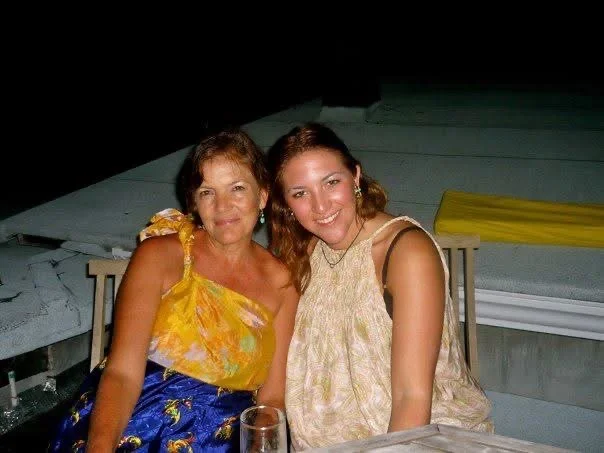
I lost my mother eight years ago at the tender age of 27 — one year older than my dad was when he lost his own mother. Losing a mom is heartbreaking. Raising a child while being motherless? There are no words to describe the utter pain and the profound lack of direction that comes with it.
Growing up, I was a daddy's girl. My relationship with my mother wasn't terrible, but I know I could have — and should have — appreciated her more. Respected her more. When she had her first scare with breast cancer, I had to grow up very quickly and take on a lot of the responsibilities at home. Three years later, my brother was diagnosed with leukemia, and by seventeen, I was essentially raising myself.
The moment that broke us
That period broke us in ways we never fully recovered from. There was no going back to my parents being the authoritative figures they once were. But I loved them deeply, so we found a new kind of relationship, something closer to friendship that worked for us.
My mom used to tell me how guilty she felt about how she had managed my brother's illness. Every time, I would remind her that there was no way she could have been a more devoted, loving, or giving mother to Pablo. It broke my heart a little, because I didn't believe she had anything to feel guilty about in the first place.
Shortly after my brother passed, I moved to the U.S. to start my bachelor's degree, and something shifted between my mom and me for the better. She remained beautifully, stubbornly herself while I was trying to navigate a new culture and a university life with a broken heart. There was something grounding about that.
As the years passed and I started working through my own traumas, I began leaning into the idea of inherited pain, how much of what we carry was carried before us. I gave my mom more grace. I started to understand where I came from, and more importantly, where she came from. Even when I hadn't agreed with some of her choices, I came to see that she was doing more than she could with what she had. I began apologizing for the sharp things I'd said, for the moments I hadn't shown up for her. I tried to be more present.
And then she died. And then I got pregnant.
The shift was brutal.
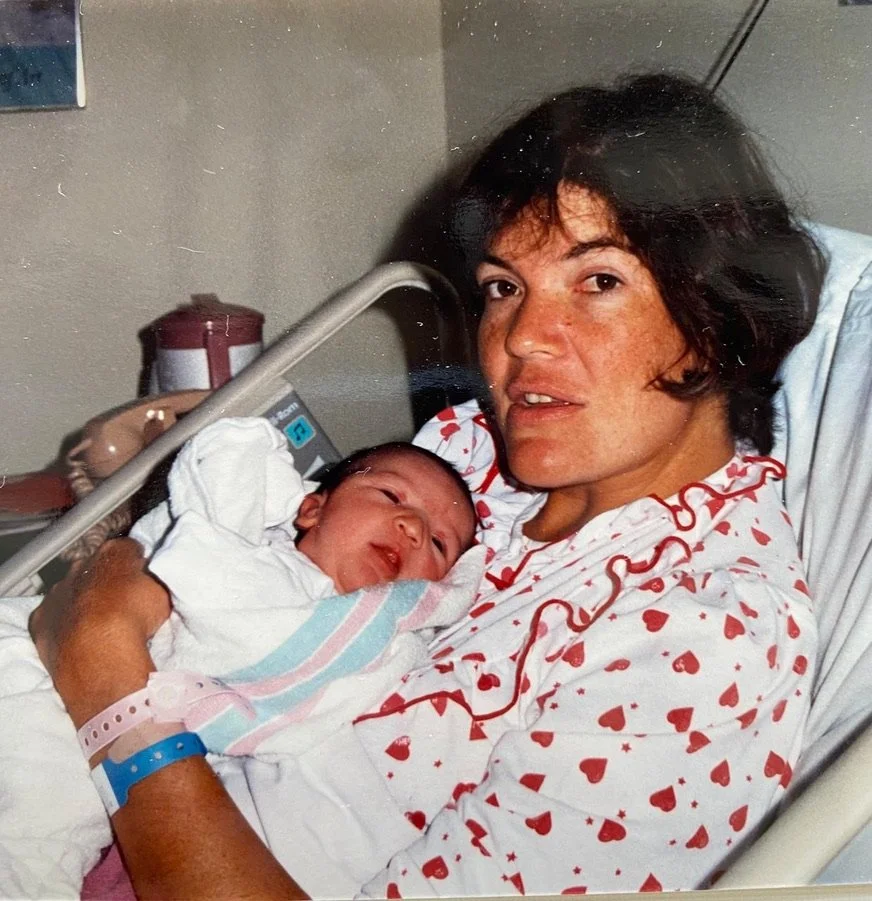
My mom and I in a hospital in Florida.
My dad was working in Colombia, and my mom thought I was coming, so he flew into the USA on a flower airplane. My mom's parents were in the USA when I was born, as were my sister and my dad.
A month after I was born, we all moved to Ontario, Canada, to be with my paternal grandfather.
What Motherhood Taught Me About My Mom
Suddenly, I was apologizing constantly, because she had carried four children, and I had barely thought to ask what it was like to give birth in a country where she barely spoke the language. My kid wouldn't sleep through the night, and I'd think about how hard she had it, how much more grace she had deserved from me. My child would do something I used to do to her, and I'd laugh, and then feel a wave of guilt. All those dinners she made special, the ones we just… dismissed. I didn't understand the particular heartbreak of loving someone so deeply that it stings when they push away the plate you spent hours on. I understand now.
I share this because being a motherless mother is one of the loneliest, most quietly devastating things I've experienced. I apologize to her constantly — out loud, in my head, to no one, and to her at the same time. I regret every question I never thought to ask. I cry thinking about everything she's missed. Everyone looks at my son and says he's a copy of me. I look at him and see my mother's father. Some days, that's too much to hold.
Mother's Day doesn't make any of this easier.
To everyone who has lost a mother. I am so sorry. The grief doesn't shrink; you just grow around it.
And to those who still have their mothers: use my story. Call her. Apologize for something. Ask her what it felt like to become a mother. Ask her what she was afraid of. Ask her the questions you assume you have time for, because one day, you won't, and the silence where her answers should have been is the heaviest thing I know.